
The most effective pre-listing updates are often the ones buyers notice immediately but do not have to think about: fresh paint, working systems, clean lines, and well-kept exterior details. In Wakefield, a focused plan can help a home photograph better, show more smoothly, and feel thoughtfully maintained without turning the weeks before listing into a major construction project.
Start With the Details That Shape a First Impression
Preparing a home for sale does not have to mean replacing every finish or chasing the latest design trend. The goal is simpler: remove visual distractions, make condition easy to understand, and help each room show its usable space. Buyers often make an initial judgment within moments of arriving and then reinforce that impression as they move through the property. A few targeted upgrades can make the entire home feel more polished and easier to picture as a future home.

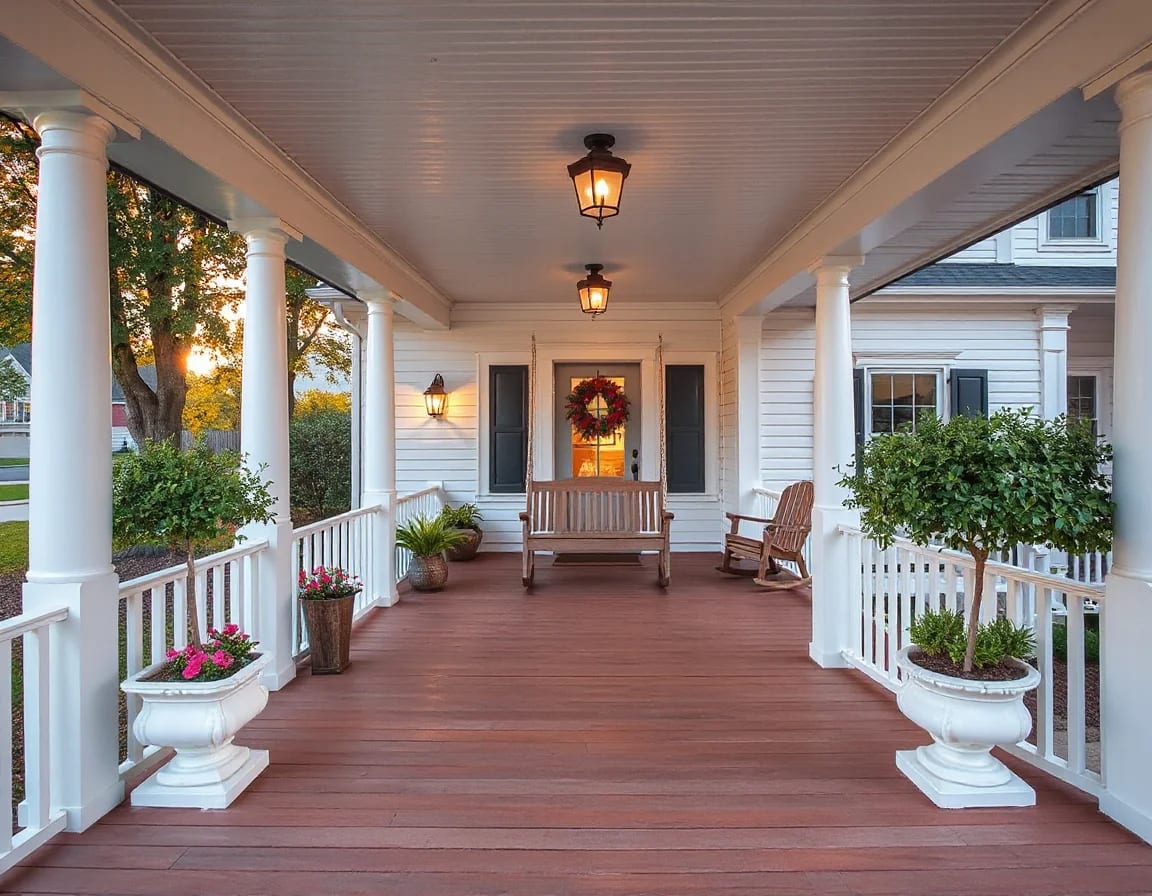
1. Refresh the front entry and exterior maintenance. A buyer’s experience begins at the curb, so start with the route from sidewalk or driveway to the front door. Trim back overgrown shrubs, remove seasonal debris, edge planting beds, replace a worn house-number plaque if needed, and make sure exterior light fixtures work. A freshly painted front door in a restrained color, clean hardware, and a tidy doormat can bring an entry together without a large expense.
Walk the exterior with a practical eye. Look for peeling trim paint, loose shutters, clogged gutters, cracked walkways, damaged screens, or a mailbox that has seen better days. Not every item requires a full replacement, but addressing smaller deferred-maintenance items helps prevent buyers from wondering what else may have been overlooked. In a market where online photos create the first showing, a cared-for exterior also gives the listing a stronger opening image.
A front entry refresh is most effective when it is coordinated: clean glass, functioning lighting, clear house numbers, and uncluttered steps can have more impact together than one costly decorative change.
2. Use paint strategically, not universally. Fresh paint remains one of the clearest ways to brighten a home, but a whole-house repaint is not always necessary. Focus first on rooms with scuffs, bold colors, patchy touch-ups, dark hallways, or visible wear near doors and trim. Soft, light neutrals can help rooms read clearly in photographs while still leaving space for the architecture, windows, flooring, and natural light to stand out.
Before choosing a color, look at undertones alongside the existing floors, tile, counters, and cabinets. A neutral that clashes with fixed finishes can make a room feel less cohesive. Crisp paint on baseboards, doors, and window trim can be just as valuable as repainting walls, particularly in older homes where character details deserve to look intentional. Repair nail holes, small dents, and visible caulk gaps first so the finished result reads as maintenance rather than camouflage.
Make Kitchens and Baths Feel Clean, Functional, and Current
Kitchens and bathrooms attract close attention because they combine daily use with visible materials and mechanical details. That does not automatically mean they need a full renovation before listing. In many cases, thoughtful cleaning, minor repairs, and limited cosmetic updates offer a better return in presentation than a rushed remodel with expensive decisions and uncertain timing.
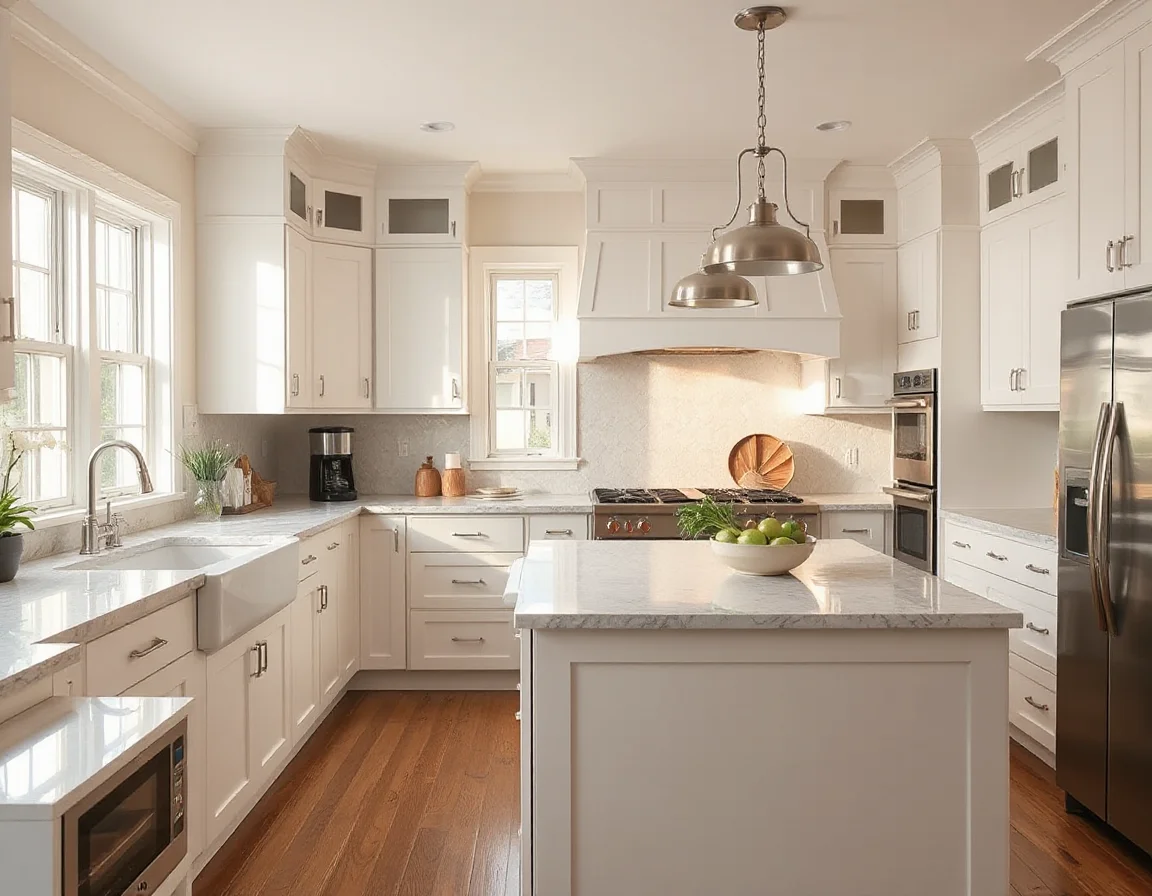
3. Give the kitchen a finish-level reset. Begin by clearing counters of most appliances, magnets, mail, and personal collections. Then address the features buyers will touch and inspect: cabinet pulls, hinges, faucet handles, outlets, appliances, and lighting. Replacing mismatched hardware with a consistent finish, tightening loose knobs, and installing a clean-looking faucet can bring visual order to an otherwise serviceable kitchen.
If cabinets are structurally sound but tired, professional cleaning or careful repainting may be worth considering. Avoid committing to a major cabinet replacement unless the layout, condition, or local pricing strategy clearly supports it. Likewise, if counters are dated but intact, styling the room well and ensuring every surface is spotless may be more practical than undertaking a project that delays the listing. The objective is not to create a showroom; it is to show a kitchen that feels usable, maintained, and easy to evaluate.
4. Repair the bathroom details that signal wear. Bathrooms benefit from a short but thorough checklist: recaulk where needed, regrout stained areas, replace a visibly worn toilet seat, repair dripping faucets, secure towel bars, and make sure exhaust fans and lights operate correctly. A fresh shower curtain, clean mirror, coordinated towels, and open counter space can improve the room’s appearance dramatically.
Pay special attention to moisture-related issues. Peeling paint, mildew, stained caulk, or a loose vanity door can distract from an otherwise appealing room. Small repairs made before photography and showings help buyers focus on the layout and finishes rather than on a to-do list. If a larger plumbing or ventilation concern is present, speak with a qualified professional and your real estate advisor about the best way to address and disclose it.
In kitchens and baths, buyers often notice function before style: a dripping faucet, sticking drawer, or loose handle can interrupt the impression created by newer finishes.
Finish With Light, Storage, and an Honest Condition Check
5. Improve lighting and reduce visual crowding. Light fixtures and room flow are easy to overlook because sellers live with them every day. Before listing, replace burned-out bulbs, use matching bulb temperatures within each room, clean fixture shades, and open window coverings for photography. Bright, even lighting helps buyers see room dimensions and finish details without adding a renovation project to the calendar.
Storage deserves the same attention. Closets, mudrooms, pantries, basements, and utility areas do not need to be empty, but they should be organized enough to demonstrate capacity. Remove out-of-season items, consolidate loose bins, and avoid blocking access to electrical panels, heating equipment, or attic entries. An orderly storage area gives buyers a more accurate sense of how the home functions day to day.
Finally, complete a pre-listing walk-through as if you were seeing the property for the first time. Check doors, windows, smoke and carbon monoxide detectors, switches, railings, flooring transitions, and visible mechanical components. Make a list in three categories: repairs that should be completed, items that need cleaning or staging, and features worth highlighting in the marketing. This approach keeps decisions grounded in condition and presentation rather than speculation about a costly renovation.
Choose Improvements That Support Your Listing Strategy
Every Wakefield property has a different starting point, from classic homes with original details to newer construction with modern finishes. The right preparation plan depends on the home’s condition, its likely price range, the competition currently available, and how quickly you want to be ready for the market. A local review can help separate high-visibility improvements from projects that may consume time without adding proportional appeal.
Well-chosen upgrades are not about making a home look like someone else’s. They are about presenting the property clearly, preserving its strengths, and reducing the little questions that can pull attention away from a great layout, location, outdoor space, or architectural character. With a focused checklist and realistic schedule, sellers can put their effort where it will be noticed most—before the first photo, the first showing, and the first conversation about an offer.