
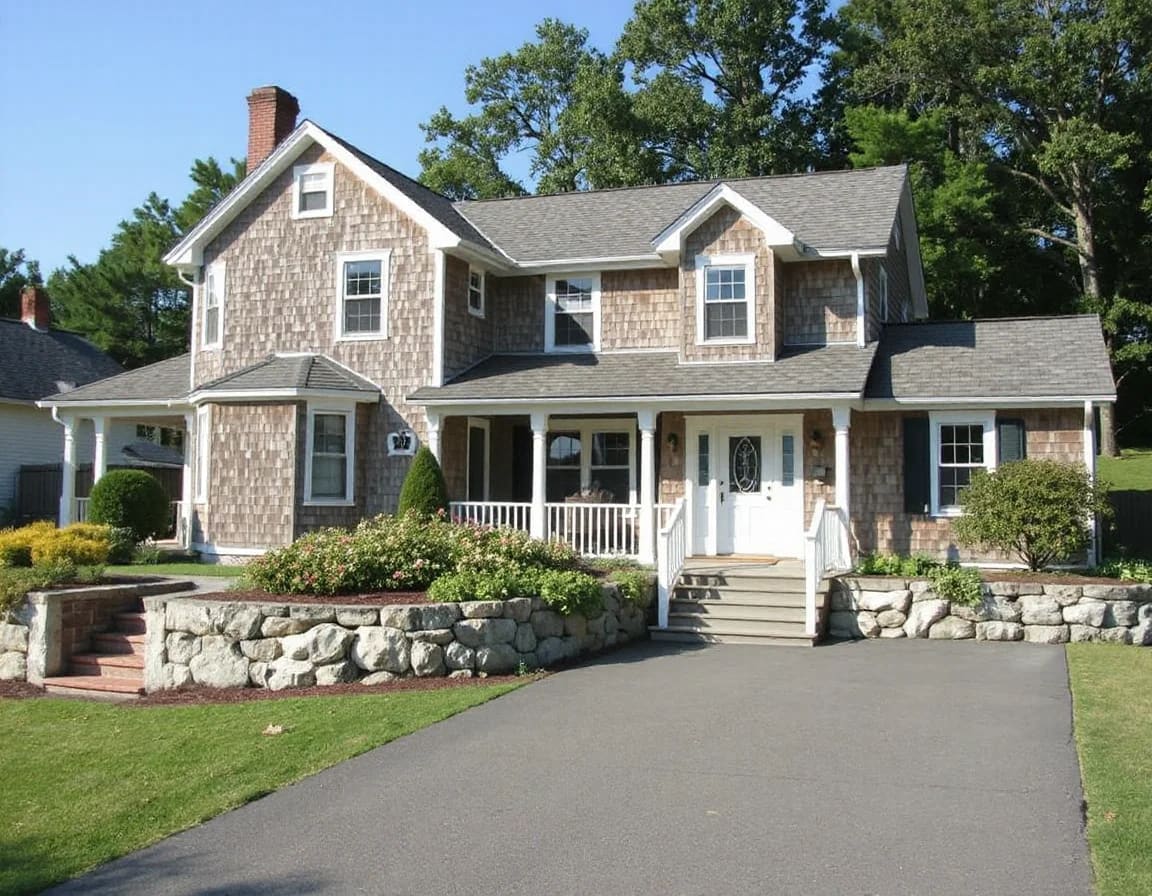
A Gloucester coastal home can offer remarkable water views, salt air, and direct access to the North Shore’s shoreline—but the setting also deserves a closer look before an offer is written. These seven checks help buyers evaluate exposure, insurance, maintenance, access, and long-term ownership costs with more confidence.
Start With the Site, Not Just the View
Waterfront and water-view properties can create an immediate emotional connection, especially along Gloucester’s rocky shoreline, working harbor, and coastal roads. Before focusing on finishes or furniture placement, take time to understand how the home meets the land around it. A beautiful outlook is only part of the ownership picture; drainage, elevation, wind exposure, shoreline conditions, and access can all influence maintenance planning and future costs.
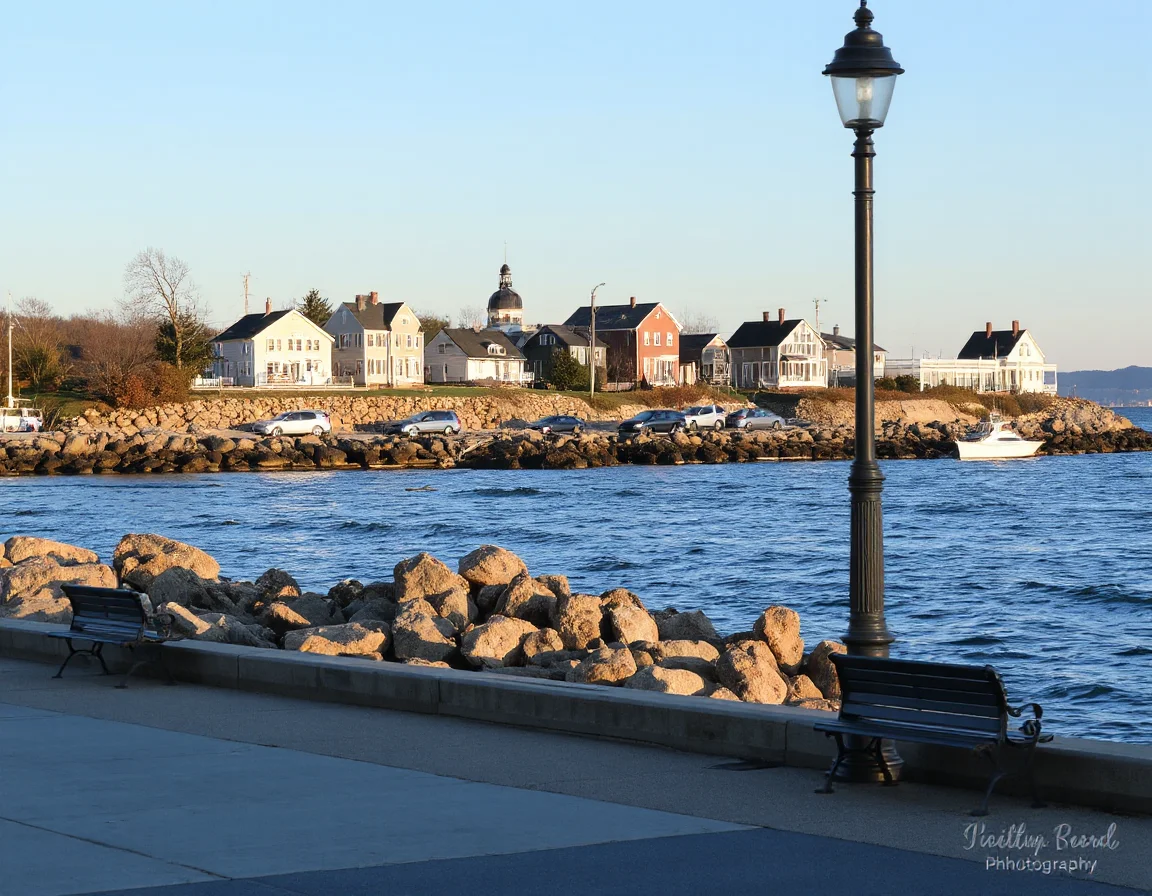
Check 1: Review flood-zone information and elevation. Flood maps are a useful starting point, but they should not be treated as a complete risk report. Ask whether the parcel is in a mapped flood hazard area, whether flood insurance may be required by a lender, and whether the current owner carries a separate flood policy. An insurance professional can help explain available coverage, deductibles, elevation-related pricing, and what information is needed for a quote.
Check 2: Follow the water after a heavy rain. If possible, visit the property during or shortly after rainfall. Look for standing water near the foundation, runoff moving toward lower-level entries, worn drainage channels, and grading that slopes toward the home. Ask about sump pumps, French drains, dry wells, bulkhead drainage, and any past water-management work. Coastal weather is not the only consideration; ordinary rain events can reveal how effectively a site handles water.
Gloucester’s terrain varies substantially from one pocket of the city to another. A home near the coast may sit high above the water, rest close to a marshy edge, or occupy a gently sloping lot with several drainage paths. Property-specific documents, inspections, and local professionals are more useful than broad assumptions based on a street name or a glimpse from the road.
A lender’s flood-insurance requirement and a buyer’s personal risk tolerance are not the same question. Reviewing maps, insurance options, and drainage history early can prevent surprises after inspection.
Inspect the Exterior for Salt, Wind, and Water Wear
The ocean can be hard on building materials. Salt-laden air, wind-driven rain, winter freeze-thaw cycles, and seasonal storms can accelerate wear that might progress more slowly inland. That does not make a coastal property difficult to own, but it does make a detailed exterior inspection especially valuable.
Check 3: Look closely at the roof, siding, windows, and fasteners. Ask the inspector to examine roof condition, flashing, gutters, trim, decks, railings, exterior paint, window seals, and visible metal components. Corrosion around fasteners, peeling coatings, soft trim, or moisture intrusion near windows may point to deferred maintenance. For older homes, it is also wise to ask which improvements were completed recently and whether permits or invoices are available.
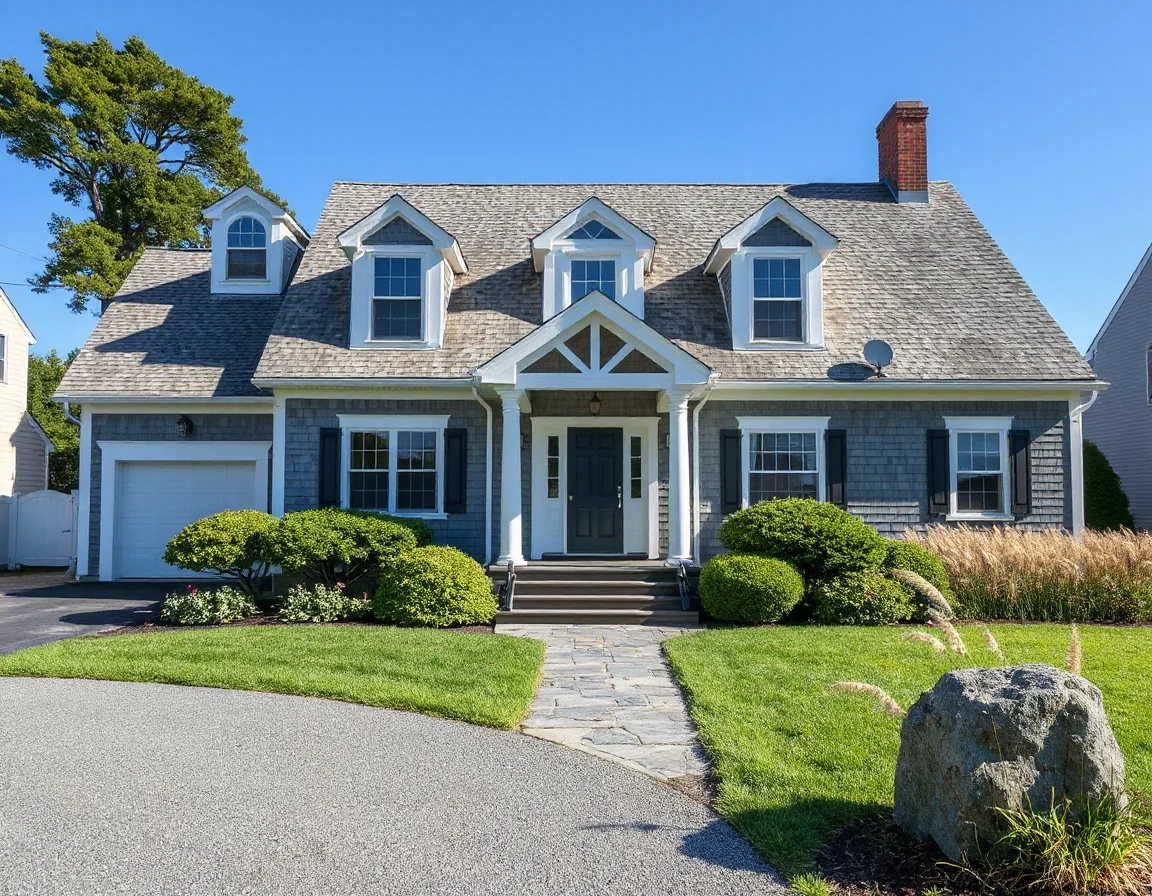
Check 4: Understand the foundation and lower-level history. Basements, crawl spaces, garages, and utility rooms can tell an important story. Look for visible moisture staining, active dampness, patched concrete, efflorescence, rusted mechanical components, or signs that belongings have been stored above the floor. Ask direct questions about prior water entry, remediation, foundation repairs, backup power, and the age of pumps or dehumidification systems.
Exterior maintenance is not limited to the structure itself. A seawall, retaining wall, stairs, private path, dock, or fence may require separate inspection and planning. Some features can fall under local, state, or federal regulations, particularly if they are close to wetlands, beaches, or the waterline. A buyer should understand what exists, what is permitted, who maintains it, and whether future repair or replacement could require approvals.
It can be helpful to build a simple first-year maintenance budget before closing. Include likely routine items such as paint touch-ups, gutter care, deck cleaning, landscaping, HVAC servicing, and an allowance for the unexpected. A thoughtful budget does not predict every repair; it creates a clearer framework for comparing one property’s condition with another.
Confirm Access, Utilities, and Practical Daily Details
Some of the most important coastal-home questions are easy to overlook during a showing. The approach to the property, parking arrangement, utility systems, and communications service can shape daily convenience as much as the view from the living room.
Check 5: Evaluate access in every season. Walk or drive the route at different times of day if you can. Note road width, hill grades, curb cuts, driveway slope, turning space, visibility at intersections, and where snow may be stored after plowing. If a property is served by a shared driveway or private way, request the governing agreement and confirm who handles maintenance, snow removal, repairs, and insurance.
Check 6: Verify utilities and backup systems. Confirm the home’s heat source, fuel storage arrangement if applicable, electrical-panel capacity, generator setup, water service, sewer or septic status, and internet availability. For a home with a well or septic system, appropriate inspections and testing should be part of the due-diligence conversation. Buyers should also ask about the age and service history of major systems, particularly boilers, heat pumps, water heaters, and electrical upgrades.
A coastal purchase is easier to evaluate when you separate “included” from “working well.” Ask for utility records, service documentation, and clear answers about shared systems before the contingency period ends.
These practical details also matter when estimating operating costs. Insurance premiums, heating expenses, generator maintenance, septic service, landscaping, and shoreline-related upkeep may vary considerably from home to home. Rather than relying on a general monthly estimate, request actual bills when available and discuss anticipated ownership costs with the relevant providers.
Read the Rules That Shape Future Changes
Check 7: Review permits, restrictions, and conservation considerations. Coastal properties may be subject to zoning requirements, conservation rules, historic-district guidelines, association documents, easements, or shoreline-related restrictions. These can affect planned additions, decks, landscaping, exterior lighting, drainage work, seawall repairs, or access improvements. The right question is not simply whether a change seems possible; it is what approvals, timelines, and costs may be involved.
Start with the listing documents and seller disclosures, then ask your real estate professional which records may be worth reviewing before closing. Depending on the property, that may include survey plans, permits, certificates of occupancy, plot plans, easements, association rules, municipal records, or documentation for prior structural work. A real estate attorney and qualified local inspectors can help buyers identify the questions that need a more formal answer.
It is also smart to compare the property’s existing condition with its intended use. If outdoor storage, a garden structure, a renovated lower level, or a future addition is important to you, investigate feasibility before making assumptions. Planning ahead is particularly useful in established coastal areas, where lot shapes, topography, and regulatory boundaries can make each parcel distinct.
Make the Offer With a Long-Term Ownership Plan
A strong coastal-home decision balances excitement with careful verification. Gloucester offers a distinctive mix of maritime history, beaches, harbor activity, conservation land, galleries, dining, and scenic drives—but a successful purchase begins with the individual property, its records, and its condition. Give inspections enough time, read reports fully, and ask follow-up questions while your contingencies are active.
When comparing homes, consider more than the asking price. Look at condition, insurance, deferred maintenance, site exposure, utility expenses, and the flexibility to make future improvements. A home with a slightly higher initial cost but a well-documented maintenance history and sound systems may offer a different ownership experience than a similar-looking property with unanswered questions.
Cameron Real Estate Group can help buyers organize local listing information, coordinate a thoughtful search, and approach Gloucester’s coastal inventory with a practical perspective. The goal is not to rush past the details—it is to understand them well enough to move forward with clarity.