
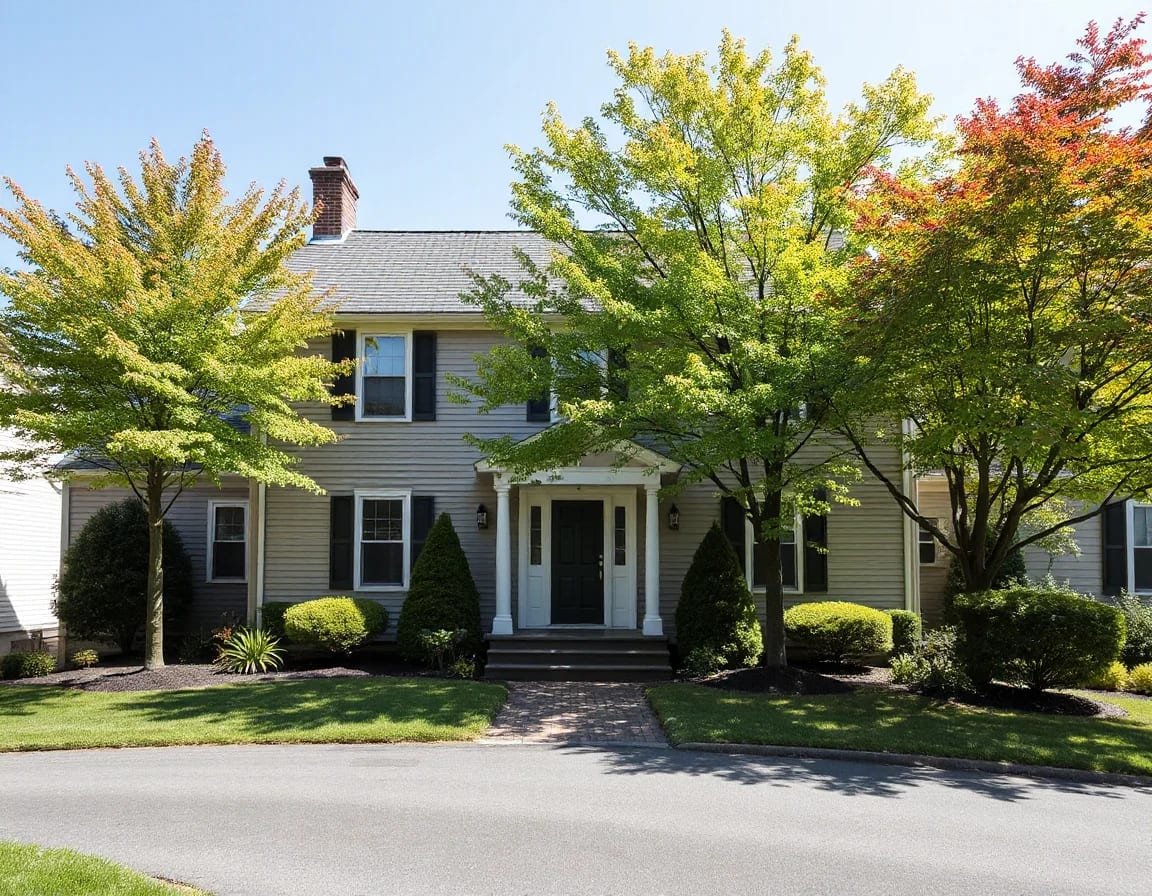
A $500K–$900K search in Braintree can include very different home types, from condominium residences and townhomes to older single-family properties with room to update. The key is comparing the complete ownership picture—not simply bedroom counts or the asking price—so your shortlist reflects your budget, priorities, and renovation comfort level.
Why This Price Range Deserves a Closer Look
Braintree’s middle market is often where buyers encounter the widest variety of choices. One listing may offer a low-maintenance condominium close to everyday amenities, while another may be a detached home with a yard, an unfinished lower level, or an older kitchen awaiting a future project. A higher price does not automatically mean a better fit; it may instead reflect location, square footage, lot size, updates, association services, or a combination of all five.
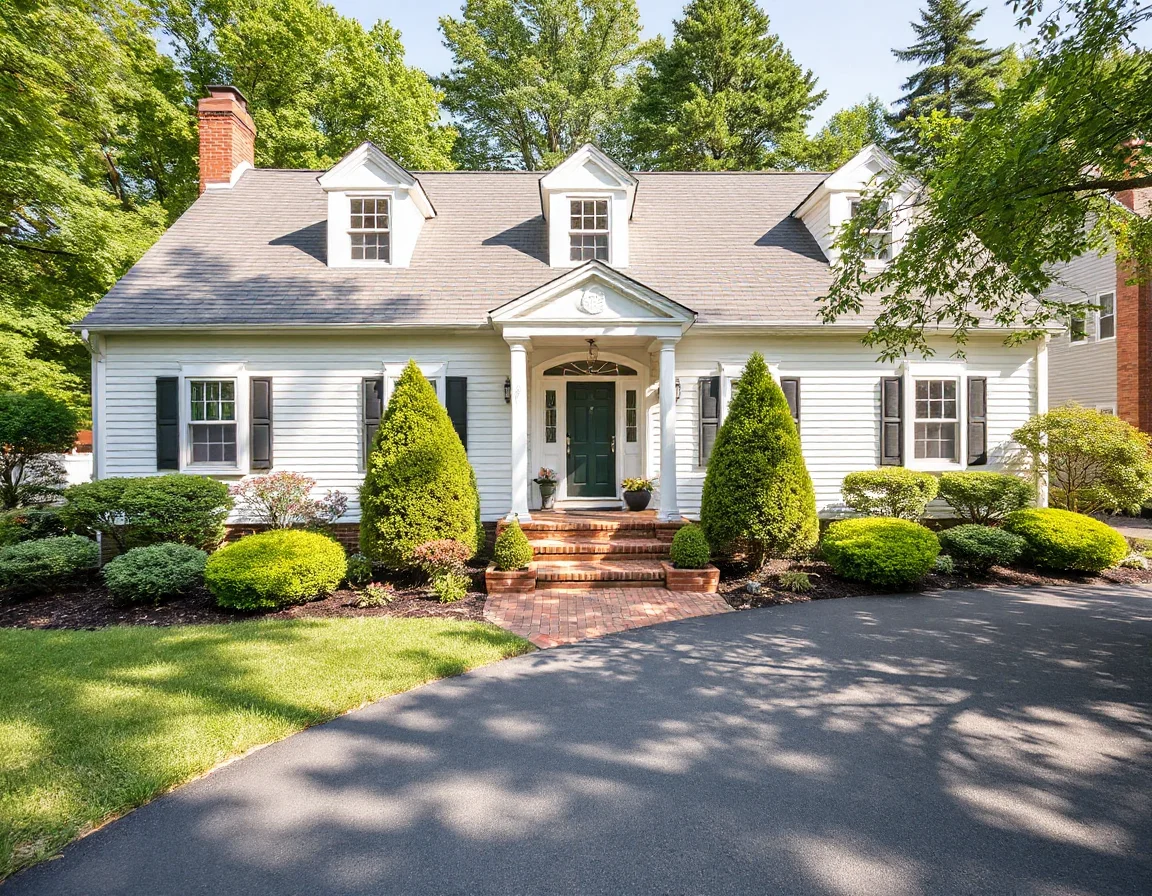
That variety makes this range especially important to evaluate with a consistent framework. Start by identifying the non-negotiables: preferred monthly payment, number of rooms needed today, commuting routes, outdoor space, maintenance tolerance, and whether you want a move-in-ready property or can plan for improvements over time. Those answers will help narrow the field before an attractive photo gallery or a large floor plan pulls attention in a direction that does not match your practical goals.
It also helps to look beyond the list price. Property taxes, condominium or homeowners association fees, utility costs, insurance, parking arrangements, and anticipated repairs can meaningfully change the monthly and long-term cost of ownership. Reviewing those items early creates a more useful comparison between a $575,000 condo with monthly fees and an $825,000 detached property that may require maintenance but has no association dues.
A home’s asking price is only one line in the budget. Compare estimated monthly housing costs, reserves for repairs, and any association fees before deciding which listings truly belong in the same category.
For buyers relocating within Massachusetts or arriving from another market, Braintree can feel particularly nuanced because neighborhoods, housing eras, and lot configurations can change quickly from one area to another. A local perspective can help distinguish a cosmetic update from a larger systems project and keep the comparison focused on facts that affect ownership.
Condominiums and Townhomes: Predictable Maintenance, Shared Decisions
Condominiums and townhomes can be compelling in this price band because they may offer efficient layouts, newer finishes, designated parking, and exterior maintenance that is handled through an association. These homes can make it easier to focus on the interior space and daily routine rather than seasonal exterior projects. Some communities also include landscaping, snow removal, or common-area upkeep within the monthly fee.
At the same time, association documents deserve careful attention. Buyers should review the monthly fee, what it covers, reserve funding, recent and planned projects, rental rules, pet policies, parking allocations, insurance responsibilities, and any pending assessments. These are not minor details: a community with well-documented maintenance and healthy reserves can present a different ownership experience from one preparing for major capital work.
Townhomes can offer a useful middle ground. They may provide more vertical separation, a private entry, or a small outdoor area while still placing some exterior responsibilities with an association. But “townhome” does not always mean the same thing from one listing to another. Ownership structure, maintenance obligations, and land rights vary, so it is worth asking specifically what belongs to the owner and what is managed collectively.
When comparing condos and townhomes, consider how you use space rather than relying only on total square footage. Storage, laundry placement, ceiling height, light exposure, stairs, work areas, and parking can influence everyday comfort as much as an extra room. A thoughtfully designed 1,150-square-foot residence may function better for your needs than a larger layout with awkward circulation or limited storage.
Single-Family Homes: Space, Flexibility, and a Maintenance Plan
Within the upper portion of this range, buyers may find detached homes that offer a different set of tradeoffs: private outdoor space, a driveway, additional storage, basements, garages, or room configurations that can adapt over time. Braintree’s housing stock includes properties from multiple eras, which means a home with character and a convenient location may also have older mechanical systems, windows, roofing, drainage, or electrical components to evaluate.
A thorough inspection is valuable for any purchase, but it becomes especially informative when comparing older detached homes. Rather than treating inspection findings as an automatic yes-or-no signal, use them to understand scope and timing. Some items are routine planning expenses; others may affect financing, insurance, or the first-year budget. A clear list of priorities helps separate manageable improvements from work that changes the property’s overall value proposition.
An older home can be a strong option when its condition, future maintenance needs, and purchase price are evaluated together. Build a realistic reserve for near-term projects instead of assuming every update must happen immediately.
Lot size should receive the same practical review. More land can mean more room for gardening, recreation, or future landscape plans, but it can also bring additional maintenance, drainage considerations, and seasonal costs. Walk the exterior during a showing if possible. Notice grading, tree condition, driveway wear, retaining walls, exterior stairs, and where water appears to move around the property. These observations add context to the home inspection and can help you compare listings more confidently.
A Better Way to Compare Listings Side by Side
Once you have toured several homes, create a simple scorecard that puts each property on equal footing. Include list price, estimated monthly cost, square footage, lot or outdoor area, parking, age of key systems, condition, association information where applicable, and the cost of any projects you would want to complete. Add a short note about how each home felt during the tour, but keep that note separate from the measurable facts.
- Monthly ownership cost: mortgage estimate, taxes, insurance, and association fees where applicable.
- Condition: recently updated, maintained but dated, or likely to need substantial work.
- Layout: room flow, storage, laundry, stairs, workspace, and flexibility.
- Location details: access to transportation routes, parks, services, and daily destinations.
- Future planning: repairs, renovations, resale considerations, and anticipated maintenance.
Be careful not to overvalue a single feature. A renovated kitchen may be appealing, but a property with newer systems, a stronger layout, and a location that better supports your routine may deliver more lasting value. Likewise, an unfinished space can be an opportunity, but only if its condition, permits, and potential cost align with your plans. The strongest choice is usually the one with the fewest surprises relative to your budget and priorities.
Market conditions can also influence how quickly decisions need to be made, but preparation is more useful than pressure. Have lending details organized, understand your comfortable payment range, and know which contingencies and timelines matter to you. That preparation makes it easier to respond thoughtfully when a property checks the right boxes.
Talk through your Braintree home search
Choose the Home Type That Supports Your Next Chapter
The $500K–$900K range in Braintree is not one market with one answer. It is a set of distinct ownership paths, each with its own balance of price, space, maintenance, location, and future potential. Whether you are drawn to a condominium with managed exterior care, a townhome with a private entry, or a detached home with room to personalize, the best comparison starts with a clear picture of how you want the property to work for you.
Take time to look at the whole ownership equation, ask direct questions about documents and condition, and revisit your priorities after each showing. With a structured approach and local guidance, you can move beyond surface-level comparisons and identify a Braintree home that feels financially sound, practical, and well suited to the way you plan to live.